
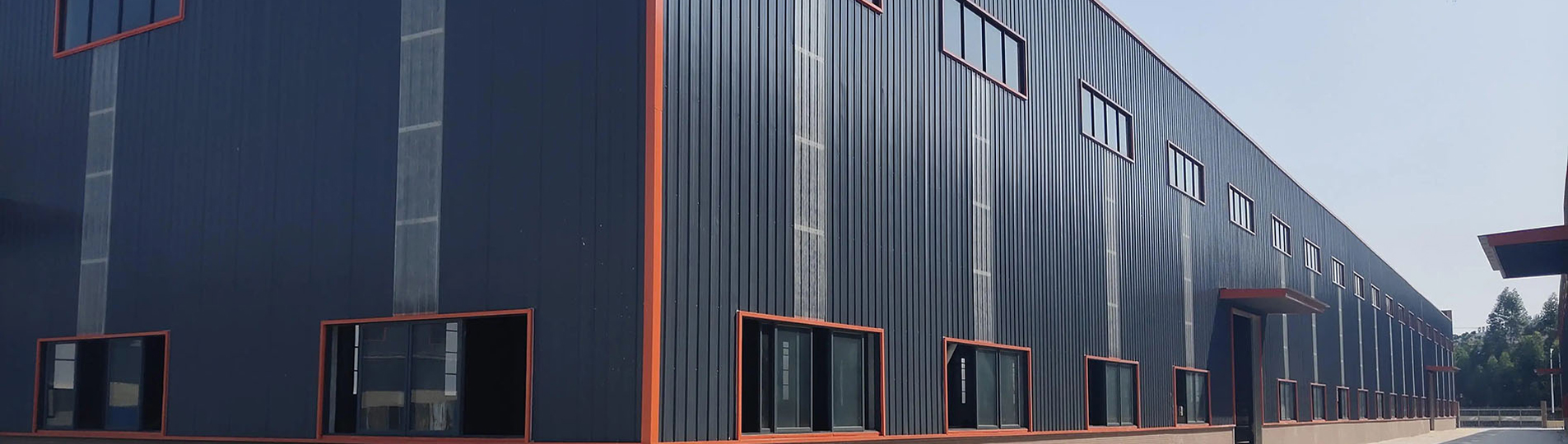
Designing a steel structure is a systematic engineering process that ensures safety, strength, durability, and cost efficiency. It involves structural analysis, material selection, compliance with standards, and constructability planning.
Step-by-Step Steel Structure Design Process
1. Define Project Requirements
The first step is to clearly define:
Building type (warehouse, workshop, commercial building, house, etc.)
Dimensions, span, height, and number of floors
Intended use and service life
Local climate and environmental conditions
2. Determine Design Loads
Steel structures must be designed to resist all applicable loads, including:
Dead load (self-weight of steel structure)
Live load (people, equipment, storage)
Wind load
Snow load
Seismic load (earthquake resistance)
Load calculations must comply with local building codes.
3. select Applicable Design Standards
Steel structure design must follow recognized standards issued by national authorities, such as:
Standards Australia (AS / AS-NZS)
American Institute of Steel Construction (AISC – USA)
European Committee for Standardization (EN / Eurocode)
These standards define safety factors, load combinations, and member design rules.
4. Choose the Steel Structural System
select the most suitable structural form, such as:
Portal frame structure
Rigid frame structure
Braced frame structure
Truss structure
Space frame structure
The choice depends on span length, building height, and functional requirements.
5. select Steel Grades and Sections
Choose appropriate:
Steel grade (e.g. Q355, ASTM A36, Grade 350)
Section types (H-beam, I-beam, box section, angle steel)
Member sizes based on strength and serviceability checks
6. Structural Analysis and Member Design
Use engineering software or manual calculations to:
Analyze internal forces (bending, shear, axial force)
Check strength, deflection, and stability
Design beams, columns, bracing, and trusses
7. Connection Design
Connections are critical for safety. Design:
Bolted connections
Welded connections
Beam-column joints
Base plates and anchor bolts
Connections must meet both strength and constructability requirements.
8. Corrosion Protection and Fire Design
Specify:
Painting or hot-dip galvanizing for corrosion protection
Fireproof coatings or fire-resistant design where required
This ensures long service life and regulatory compliance.
9. Prepare Detailed Drawings
Produce:
Structural drawings
Fabrication drawings
Erection drawings
Bill of materials (BOM)
Accurate drawings reduce fabrication errors and installation time.
10. Review, Optimization, and Approval
Finally:
Optimize steel weight and cost
Review constructability
Submit design for authority approval
Coordinate with fabrication and installation teams
Why Proper Steel Structure Design Matters
A well-designed steel structure ensures:
Structural safety and reliability
Lower construction and maintenance costs
Faster installation
Compliance with international standards
Long-term durability