
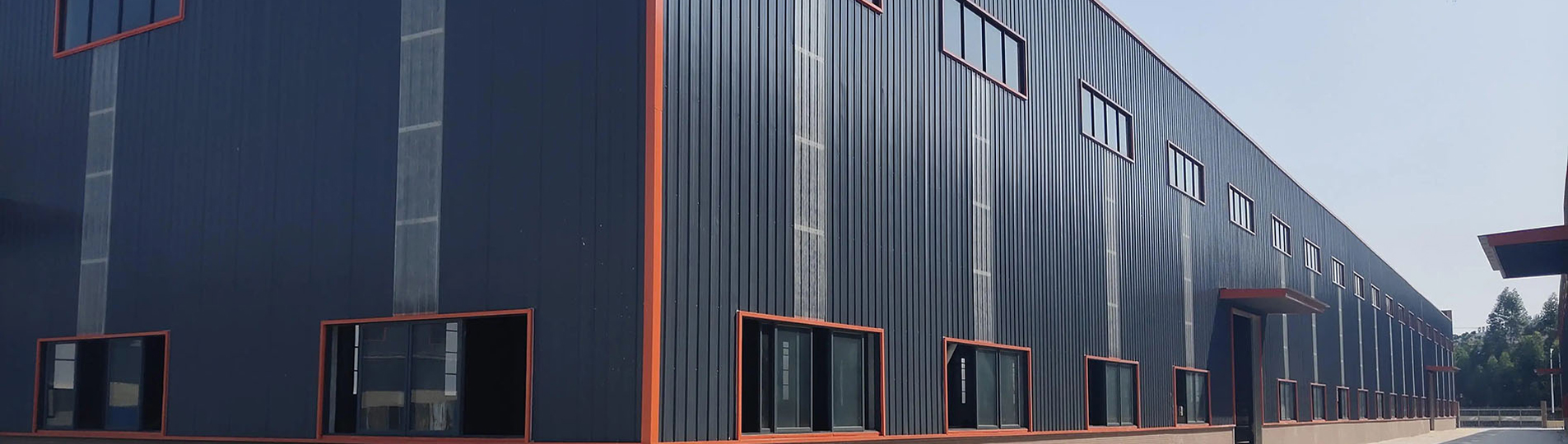
Introduction: The Strategic Shift to Steel Warehouse Solutions
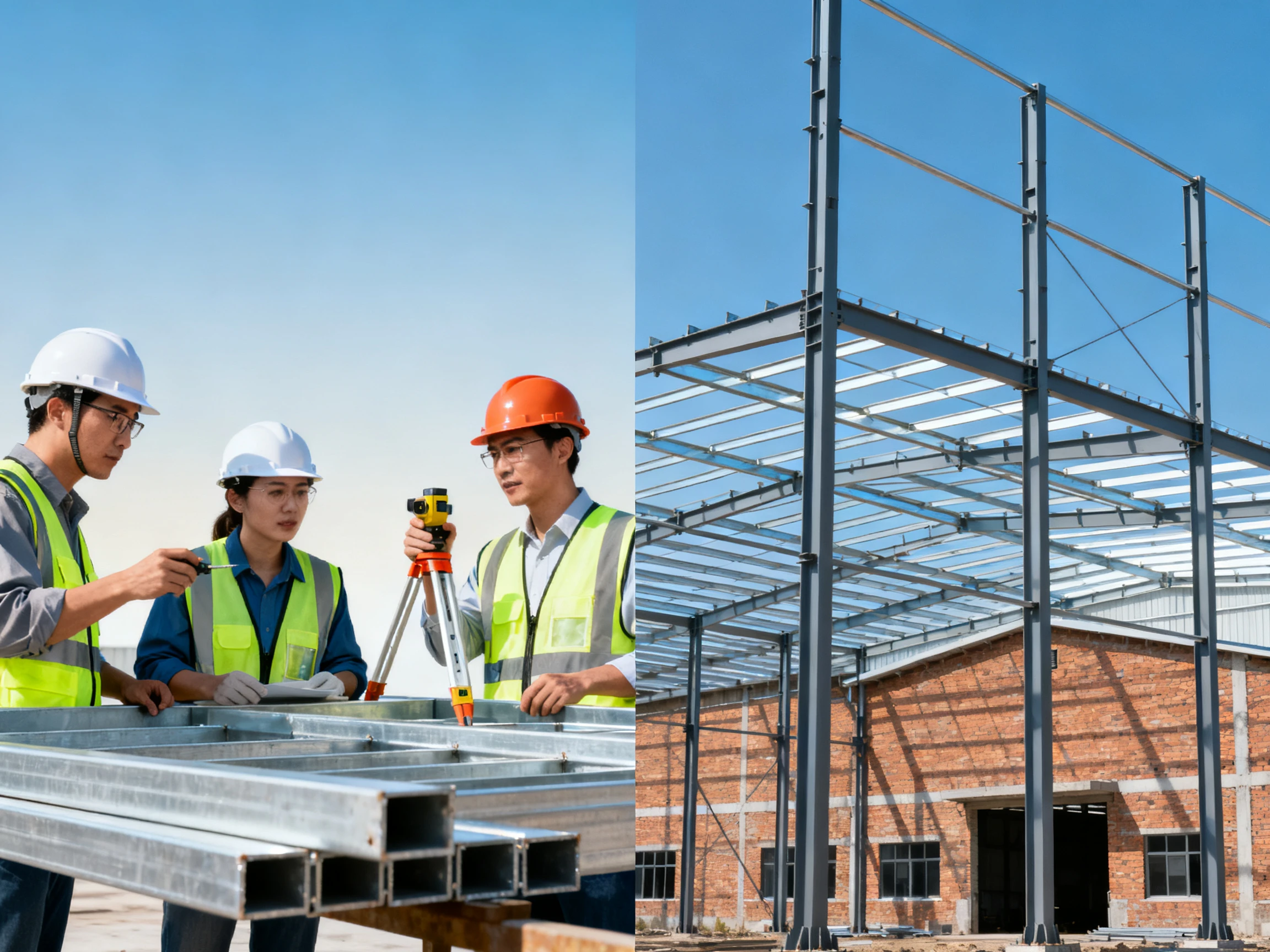
For procurement teams evaluating warehouse solutions, steel structures offer compelling advantages over traditional construction. This cost-benefit analysis examines key factors like durability, construction speed, and lifecycle costs of steel warehouses—critical considerations for technical evaluators and decision-makers. As a Class I certified manufacturer with 20+ years' expertise, YG Steel Structure provides data-driven insights to optimize your industrial storage investments.
1. Durability and Structural Integrity: Steel vs. Traditional Materials
Steel warehouses outperform traditional brick-and-mortar or wooden structures in resilience and longevity. Steel's inherent properties—high tensile strength, corrosion resistance (when properly treated), and non-combustibility—make it ideal for industrial environments. Unlike concrete, which can crack under seismic stress, or wood, susceptible to rot and pests, steel maintains structural integrity for decades. Modern Steel structure warehouse designs incorporate galvanized coatings and advanced alloys, extending lifespans to 50+ years with minimal maintenance. For instance, YG Steel Structure's prefabricated components meet ASTM A572 Grade 50 standards, ensuring load-bearing capacities up to 100 kN/m²—critical for heavy-duty storage or integrated crane systems.
2. Construction Speed and Modular Flexibility
Time-to-completion is a decisive factor for procurement teams. Traditional warehouses require 6–12 months for foundation curing and masonry work, whereas prefabricated steel structures can be erected in 8–12 weeks. This 60–70% time reduction stems from off-site manufacturing of standardized components like beams, columns, and wall panels. YG Steel Structure's Prefabricated Steel Workshop Building with Integrated Crane Systems (Gantry/Bridge Crane, Customizable) exemplifies this efficiency, with bolt-on assembly eliminating wet trades. Modular designs also allow future expansions—steel frames can be disassembled and reconfigured without demolition costs, a flexibility unmatched by concrete.
3. Lifecycle Cost Analysis: Total Ownership Economics
While steel warehouses may have higher upfront material costs (10–15% more than concrete), their lifecycle savings are substantial. A 2023 NIST study found steel structures reduce operational costs by 30% over 30 years due to:
- Lower insurance premiums (steel's fire resistance cuts risk ratings)
- Energy efficiency (insulated metal panels achieve R-values of 30+)
- Near-zero maintenance (no repointing or repainting for 20+ years)
For large-scale projects like distribution centers, these savings can exceed $500,000 annually—a ROI that procurement teams cannot ignore.
4. Customization and Scalability for Industrial Needs
Steel's adaptability addresses niche industrial requirements. Clear-span designs (up to 80m without internal columns) maximize storage space, while integrated crane runways support heavy logistics. YG Steel Structure's Steel structure warehouse solutions accommodate:
| Feature | Traditional Warehouse | Steel Warehouse |
| Column-Free Spans | Limited to 15m | Up to 80m |
| Crane Capacity | Requires reinforced concrete | Supports 50-ton bridge cranes |
5. Sustainability and Regulatory Compliance
Steel warehouses align with global green building trends. Recycled content averages 90%, and end-of-life materials are 100% recyclable—crucial for LEED certification. YG Steel Structure's plants adhere to ISO 14001 standards, minimizing carbon footprints during production. Additionally, steel frames meet seismic Zone 4 and wind load requirements (up to 200 mph), reducing liability risks for project owners.
Conclusion: Data-Driven Decision Making for Procurement Teams
When evaluatingSteel structure warehouseversus traditional options, steel emerges as the superior choice across durability, speed, cost, and flexibility metrics. As a China Steel Construction Society member with Class I certifications, YG Steel Structure delivers turnkey solutions—from design to installation—ensuring your warehouse investment achieves maximum operational and financial returns.
Ready to optimize your storage infrastructure? Explore our prefabricated steel warehouse systems or consult our engineering team for a customized cost-benefit analysis tailored to your project specifications.https://xbcsteelstructure.com/SteelStructureWarehouse/Small-scale-steel-structure-warehouse-for-storage.html